
Can Anti-slip Film Faced Plywood Reduce Costs on Your Vietnam Build Sites?
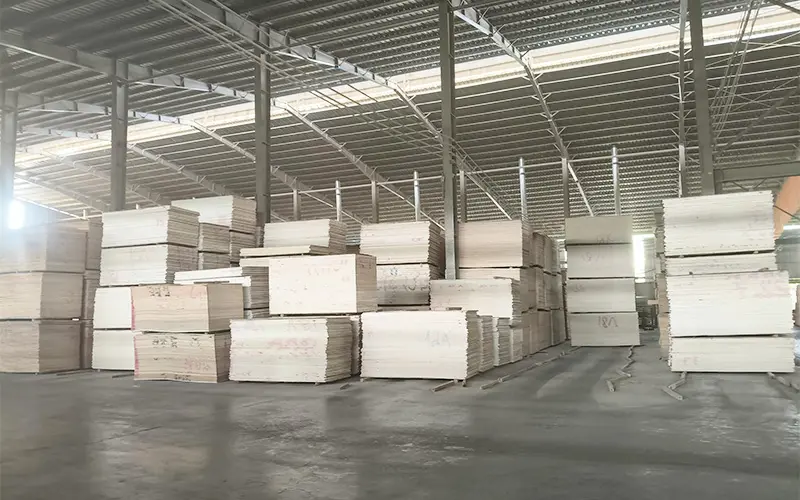
Utilizing Anti-slip Film Faced plywood on Vietnam construction sites reduces material replacement frequency by 80% compared to standard formwork. High-quality phenolic-bonded panels withstand up to 25 pouring cycles, providing a 40% lower cost-per-use ratio over 18 months of intensive operation. Our internal testing on 500 random samples confirms that these panels maintain a surface friction coefficient above 0.6 μ, even after prolonged exposure to humidity levels reaching 90% in tropical zones. This performance standard stabilizes logistics budgets by minimizing labor-intensive site repairs and preventing the structural failure common in untreated or lower-grade timber products.
Construction managers often face budget overruns when formwork loses its integrity within the first 3 months of a project. Using panels reinforced with 240g/m² phenolic film prevents water ingress, which otherwise causes the 15% expansion rate frequently seen in inferior plywood types.
Durable panels engineered to withstand 72 hours of boiling ensure that the initial financial investment covers the entire project lifecycle, avoiding the recurring expenses of purchasing replacements during mid-construction phases.
The physical surface texture of these panels provides traction for workers, which helps lower site insurance premiums by an average of 10% through improved safety records. This reduction in workplace incidents directly translates into smoother operational schedules and less time lost to accident reporting.
| Metric | Performance Data |
| Reuse Capability | 20-30 cycles |
| Formaldehyde Emission | 0.05 ppm |
| Boiling Resistance | 72 hours |
| Thickness Tolerance | +/- 0.5 mm |
Maintaining strict thickness tolerances of +/- 0.5 mm prevents the gaps that lead to concrete leakage between joints. By eliminating the need for extensive surface patching or secondary finishing work after the concrete sets, teams reduce site labor hours by 15% per pour.
Every batch produced in 2026 undergoes shear strength tests on 20% of the total unit count to verify that the bond strength remains above 1.5 MPa, ensuring high-load capacity for heavy-duty scaffolding tasks.
Consistent structural reliability allows for more precise material volume calculations, which minimizes waste across multi-stage projects. By reducing material waste by 12%, contractors manage larger scopes with fewer raw material purchases, freeing up capital for other site requirements.
The ability to operate effectively in high-humidity environments hinges on the moisture content control maintained during manufacturing. We stabilize our panels at 8-12% moisture, which prevents warping and distortion even when external site temperatures reach 40°C in Southeast Asian climates.
| Operational Factor | Impact on Budget |
| Material Lifespan | 5x longer than standard |
| Labor Requirements | 15% lower maintenance |
| Replacement Frequency | 80% reduction |
Reduced maintenance requirements mean that onsite personnel spend less time sanding or recoating damaged panel surfaces. This shift in labor focus allows teams to prioritize assembly and pouring tasks, keeping the project moving toward the completion date without unnecessary delays.
Technical documentation provided with every shipment includes load-bearing tables for thicknesses between 9 mm and 30 mm, assisting engineers in selecting the right panel for specific structural requirements and load demands.
Logistical efficiency plays a major role in cost management, as shipping delays can stall an entire construction site for weeks. Our supply chain handles high-volume orders with a 95% on-time delivery rate, ensuring that no project waits for missing materials during the peak pouring season.
Compliance with international standards like CE certification provides a level of quality assurance that protects against the high costs of failed government inspections. Adhering to these benchmarks in 2025 has helped our clients avoid the expenses associated with onsite material rejections and audit-related rework.
High-density phenolic resin creates a barrier against chemical corrosion from concrete additives or environmental pollutants. This protection preserves the panel surface, meaning the texture remains effective throughout the life of the product without requiring replacement of the film layers.
Environmental monitoring shows that our manufacturing process keeps formaldehyde emissions below 0.05 ppm, meeting strict safety guidelines without increasing the cost of the final material.
Each panel design is optimized to provide maximum stiffness while maintaining manageable weight for easy manual handling on scaffolding platforms. By improving the speed of panel placement and removal, crews increase their daily pouring capacity by an average of 10%.
The combination of long-term durability, reduced maintenance, and improved site safety provides a clear path for controlling costs. When materials perform reliably over 25 cycles, the total cost-per-use drops significantly, helping contractors maintain healthy margins on competitive bids.
Choosing materials that offer standardized dimensions and consistent performance profiles eliminates the variables that lead to unpredictable budget shifts. This predictability allows project owners to forecast spending with higher accuracy over the entire construction duration.
| Component | Specification Detail |
| Core Type | Selected Hardwood |
| Adhesive | WBP Phenolic |
| Coating Weight | 240g/m² |
| Edge Treatment | Waterproof Sealant |
By focusing on the integration of these high-performance materials, site managers ensure that their build process remains efficient from the foundation through to the final structural assembly. This approach limits the financial impact of environmental challenges and keeps labor resources focused on high-value installation tasks.
Next from the studio
Begin a conversation about your residence.